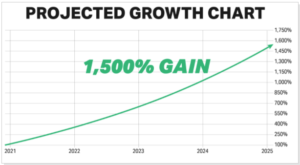

Crinetics Pharmaceuticals (NASDAQ: CRNX) is a clinical-stage biopharmaceutical company focused on novel oral therapies for rare endocrine diseases ([1]). The firm stands at a pivotal inflection point, transitioning from R&D toward its first commercial launch. Wall Street analysts are broadly optimistic about Crinetics’ prospects – on average they assign the stock a target price more than double its recent trading level ([2]). This report will delve into Crinetics’ fundamentals, covering its dividend policy, financial leverage, valuation, and the key opportunities and risks that could shape the stock’s future. Inline citations to authoritative sources (SEC filings, investor presentations, and credible financial analysis) are provided throughout.
Dividend Policy and Yield
Crinetics does not pay a dividend and has no history of ever doing so. The company explicitly states it “has never declared nor paid any cash dividend on our common stock” and does not anticipate any dividends “for the foreseeable future,” preferring to reinvest any future earnings into growth ([3]). This is typical for a development-stage biotech that currently operates at a net loss and needs to fund R&D and commercialization efforts. As a result, CRNX’s dividend yield is 0%, and investors should expect that returns will come entirely from stock price appreciation rather than income ([3]). Metrics like FFO or AFFO (used for evaluating REITs’ dividend capacity) are not applicable here, given Crinetics’ lack of positive free cash flow. In short, shareholders shouldn’t expect dividends until and unless the company achieves sustained profitability and matures well beyond its upcoming product launch phase.
Financial Position and Leverage
Crinetics boasts a strong financial position with substantial cash reserves and minimal debt. As of mid-2025 the company held over $1.2 billion in cash and investments, an amount projected to sustain operations through at least 2028 ([1]). This large cash war chest provides a healthy runway for completing clinical trials and funding the initial commercial rollout of its lead drug. In fact, management estimates the current cash on hand is sufficient to fund operations into 2028 without needing additional financing ([1]). Crucially, Crinetics has more cash than debt, and its liquid assets (cash and equivalents) comfortably exceed all short-term liabilities ([1]), underscoring the firm’s solid balance sheet.
Leverage is virtually nil. The company carries no traditional bank debt or convertible notes on its balance sheet – its total liabilities are only about $104 million against $937 million in assets ([4]). These liabilities consist mostly of accounts payable, accrued expenses, deferred revenue from partnership agreements, and lease obligations; there are no significant interest-bearing loans outstanding ([4]). In fact, the only long-term liabilities of note are operating lease commitments of roughly $45 million (for office and facility leases) ([4]). With no maturities of bank debt to worry about, Crinetics faces no near-term refinancing or interest-rate risk. The interest coverage question is moot – since the company has no debt, it incurs minimal interest expense. Instead, Crinetics is actually earning interest income on its large cash balance (benefiting from higher interest rates); for example, it recorded about $11 million of interest income in Q3 2024 alone ([4]). This interest income partially offsets the company’s operating cash burn. Overall, financial flexibility is a clear strength for Crinetics – its ample cash and lack of leverage give it the capacity to invest aggressively in product development and launch activities without the constraints of debt covenants or looming repayments.
Valuation and Analyst Outlook
Traditional valuation multiples are difficult to apply to CRNX at this stage because the company is not yet profitable and has minimal revenue (just ~$1 million of licensing revenue in recent quarters). Metrics like P/E or EV/EBITDA are not meaningful while the firm posts net losses (Crinetics lost $115.6 million in Q2 2025 alone amid heavy R&D and pre-launch spending ([5])). Instead, investors and analysts value Crinetics based on its pipeline’s future earnings potential. The stock’s current market capitalization is around $3–4 billion (for reference, it was about $3.5 billion at a share price of ~$44 in mid-2024) ([3]). After backing out the hefty cash reserves, the market is assigning an enterprise value on the order of ~$2–3 billion to Crinetics’ drug pipeline and other assets. Is that rich or cheap? One way to gauge it is against expected future sales: Analysts project significant revenue potential if Crinetics’ lead drugs are successful. Paltusotine (for acromegaly) could achieve over $500 million in annual U.S. sales and up to ~$1 billion globally at peak ([1]). Likewise, atumelnant (for congenital adrenal hyperplasia) is estimated to exceed $1 billion in peak U.S. sales ([1]), with additional upside globally if approved in multiple indications. In total, just these two programs have a conceivable revenue opportunity of $1.5–$2+ billion per year worldwide in the late 2020s – a figure that puts the current ~$2–3 billion enterprise valuation into a reasonable context. In fact, at today’s market value the stock is only trading at roughly 1–2 times the forecasted peak sales of its lead products, a seemingly modest multiple given the high margins typical for rare-disease drugs (contingent on approval and successful commercialization).
Wall Street sentiment is overwhelmingly bullish, indicating that many see Crinetics as undervalued relative to its prospects. According to TipRanks data, the average analyst 12-month price target is about $68 per share, which implies roughly 119% upside from the recent ~$31 share price used in that survey ([2]). Price targets range from a low of $31 (a lone Hold rating) up to a Street-high of $97, but the consensus is firmly in “Strong Buy” territory ([2]). In the past few months, multiple analysts have reiterated or raised aggressive price targets: for example, Piper Sandler recently maintained a $97 target (upper end of the range) and JMP Securities set an $87 target, both reflecting expectations of more than a doubling in the stock ([1]). Other firms like Cantor Fitzgerald and Stifel have likewise issued targets in the $80–$100 range for CRNX ([1]). These bullish valuations are predicated on successful execution of product launches and the capture of the substantial market opportunities in acromegaly and CAH. In short, the market sentiment among analysts is that CRNX stock has big gains ahead, provided the company delivers on the promise of its pipeline. This optimistic outlook from the Street – effectively a survey of expert opinion – aligns with the title of our report.
It’s worth noting that Crinetics’ valuation also gets a boost from its broad pipeline beyond the two lead candidates. The company is not a one-trick pony: for instance, CRNX is advancing an oral PTH inhibitor for hyperparathyroidism, a much larger endocrine market; analysts estimate this early-stage program could target a patient population worth over $3 billion in annual sales if eventually approved ([1]). There are also exploratory programs in areas like thyroid eye disease, Graves’ disease, and even obesity on the horizon ([1]). While these are longer-term opportunities (and carry high development risk), they underscore that Crinetics has multiple shots on goal. Any success in these programs would further expand the company’s revenue potential beyond the current valuation framework. Investors appear to be giving Crinetics some credit for this pipeline depth, but mostly the stock today reflects the upcoming acromegaly and CAH franchises. If those near-term programs hit milestones or approvals (or conversely, if they stumble), the valuation will adjust accordingly. The current price implies that expectations are high but not fully stretched – there is substantial upside baked into analyst models, yet real commercialization proof is needed to justify the lofty targets. This dynamic sets the stage for significant stock moves in response to clinical and regulatory news, as discussed next.
Risks, Red Flags, and Open Questions
Despite the bullish outlook, Crinetics faces a number of risks and challenges that investors should keep in mind. First and foremost, the company is still incurring large operating losses as it invests in R&D and builds a commercial infrastructure. Crinetics’ expenses have been rising rapidly – for example, R&D and SG&A costs roughly doubled year-over-year in Q2 2025, leading to a quarterly net loss of $115.6 million ([5]). These losses have in fact exceeded Wall Street’s projections at times ([1]). If expenditures continue to run higher than expected or if new revenue is slow to materialize, the cash runway could shorten, potentially forcing additional financing or cost cuts down the line. Investors will be watching whether management can control the burn rate as it transitions to a commercial-stage company. Lack of commercial experience is another concern – Crinetics has never marketed a drug before, so executing a successful launch for paltusotine (and later atumelnant) will be a learning process ([1]). Missteps in building out sales, educating physicians, or navigating insurance reimbursement could impair the rollout. This is a common red flag for emerging biotechs: going from clinical development to commercialization is a major leap organizationally. Crinetics has staffed up a new commercial team and support hub (CrineCare) ahead of the launch ([6]), but how well this translates into real-world sales remains an open question.
Regulatory and clinical uncertainties also persist. While paltusotine yielded excellent Phase 3 results, approval is not guaranteed until the FDA formally signs off. The company submitted its New Drug Application in late 2024, and the FDA has set a target decision date of September 25, 2025 ([3]). Any delay in this PDUFA timeline or unexpected requests from regulators (e.g. requiring additional data or risk mitigation plans) could push back the launch. More broadly, drug approval in rare diseases carries inherent risks – regulators will scrutinize safety, manufacturing quality, and whether the drug’s benefits outweigh risks for patients ([1]). So far, paltusotine’s safety profile looks favorable (no serious adverse events in trials) ([7]) ([7]), but post-approval requirements or labeling restrictions are still possible. Encouragingly, analysts expect a broad label (covering both new acromegaly patients and those switching from injectables) and uniform reimbursement for paltusotine ([6]), which would greatly help uptake – however, whether the FDA and payers ultimately agree is an open item. If the label were narrower than hoped or if insurers impose step-edits (requiring patients to fail injectables first, for instance), it could limit the drug’s initial market penetration.
Market competition is another significant risk. While Crinetics’ lead programs target underserved niches, they are not without competitors, present or future. In acromegaly, the current standard of care is long-acting injectable drugs from big pharma (octreotide and lanreotide depots by Novartis/Ipsen), and at least one other oral therapy (octreotide capsules, trade name Mycapssa) is already approved. Mycapssa’s uptake has been limited historically, but its existence shows that Crinetics will have to persuade physicians that paltusotine is superior in ease or efficacy to win converts from injectables. Notably, Crinetics’ Phase 3 data demonstrated that patients switching from monthly injections to paltusotine maintained equally good biochemical control and symptom relief ([7]) ([7]), which is a strong selling point. The survey of physicians involved in the trials indicated many patients would “appreciate an oral alternative… without the burden and discomfort of injections” ([7]). This bodes well, but it will need to translate into real-world prescribing habits. In congenital adrenal hyperplasia (CAH), Crinetics now faces a direct competitor: Neurocrine Biosciences recently gained FDA approval for crinecerfont (brand name Crinezia), an oral drug for CAH that could reach the market first ([8]). Neurocrine’s drug (which, like atumelnant, targets the ACTH pathway) has essentially validated the mechanism and demonstrates a commercial market exists – but it also means Crinetics must compete for patients rather than having a monopoly. Neurocrine’s launch could capture early market share and physician mindshare before atumelnant even enters Phase 3. This threat was partly responsible for a pullback in CRNX stock earlier; in fact, Crinetics shares declined ~20% at one point after an atumelnant update, despite positive data, because investors were concerned about Neurocrine’s head start and had hoped for even more dramatic results ([8]). The episode highlighted how high expectations are baked in, and how sensitive the stock is to any perception of underperformance on key programs.
That said, analysts believe Crinetics can still differentiate itself in the CAH market. Jefferies, for instance, saw the post-data selloff as an opportunity, noting that atumelnant’s “$1 billion opportunity wasn’t properly being priced in” and that the drug could be a better product than Neurocrine’s, aiding its eventual adoption ([8]). The coming head-to-head comparisons (in efficacy, safety, dosing convenience, etc.) between atumelnant and crinecerfont will be an important open question. It remains to be seen if Crinetics’ candidate can demonstrate a clinical edge or tolerability advantage that convinces physicians to choose it over the incumbent. Pricing and market access dynamics will also factor in: as a newcomer launching premium therapies for rare conditions, Crinetics must navigate negotiations with insurers and global health systems. There could be pricing pressures or reimbursement hurdles – payers may demand robust evidence of value or restrict usage to severe cases initially ([1]). If both paltusotine and atumelnant launch around the same 2025–2026 timeframe, the company will effectively have two major commercialization efforts in parallel, which is a lot for a small organization to handle. Operational execution is thus a risk – everything from scaling up manufacturing to educating endocrinologists and supporting patients will be under scrutiny. Any hiccups in supply chain or patient support could slow the uptake of these therapies in their critical first years.
Open questions for investors include: Will the FDA approve paltusotine on time and with the broad label Crinetics hopes for? How rapidly will endocrinologists switch appropriate acromegaly patients to an oral drug, and will they also use it front-line in new patients? Can Crinetics successfully launch two products (for acromegaly and CAH) in succession and manage the growing pains of becoming a multi-product commercial company? Another question is whether Crinetics will seek partnerships for international markets. The company licensed paltusotine’s rights in Japan to a local firm (Sanwa) ([3]), but in Europe and other regions it may either partner or commercialize on its own – a decision that has implications for costs and profits. How Crinetics funds its expansive pipeline longer-term is also open: with over $1 billion in cash, the near-term is secure, but if it opts to advance numerous early-stage programs (PTH inhibitor, thyroid eye disease, etc.), it could accelerate spending. Investors will want clarity on pipeline prioritization and any plans to monetize non-core assets (for example, Crinetics spun out a radiotherapeutics program into a separate venture, Radionetics, in 2021).
Finally, it’s important to acknowledge macro-level risks. Sentiment in the biotech sector can be volatile, and external factors like rising interest rates or risk-off market conditions can weigh on valuations even if company-specific news is good. Crinetics’ stock will likely trade on clinical and regulatory catalysts in the coming year: the FDA’s decision on paltusotine (Sept 2025) is the biggest near-term catalyst, followed by progress updates on the Phase 3 trials of atumelnant in 2025. Investors should be prepared for stock volatility around these events. The uniformly high analyst price targets underscore confidence, but also imply that a lot of good news is expected – any disappointment (such as a regulatory delay or a commercial shortfall) could trigger a sharp correction from current levels. As with any emerging biotech, the risk/reward profile is high.
Conclusion and Outlook
In summary, Crinetics Pharmaceuticals appears poised for significant growth if it can execute on its promising pipeline. The company’s fundamentals present a mix of strengths and challenges. On one hand, Crinetics has innovative, first-in-class drug candidates addressing rare diseases with substantial unmet needs, positive Phase 3 data in acromegaly (and encouraging results in CAH), a diversified pipeline of follow-on programs, and a strong financial foundation (over a billion in cash and no debt) to support its ambitions ([1]) ([1]). These factors provide a solid platform for the next phase of expansion. On the other hand, the company must contend with high ongoing expenses, a lack of operating profits or dividend returns in the near term, and the complex task of scaling up to commercial-stage success ([1]) ([1]). The competitive and regulatory landscapes add further uncertainty, though recent developments – such as the FDA approval of Neurocrine’s CAH drug – have in some ways de-risked the path for Crinetics’ own programs while also raising the bar for differentiation ([1]).
All told, Crinetics stands at a crucial juncture: the coming 12–18 months will likely validate (or challenge) the bullish thesis that many analysts have laid out. Key catalysts on the horizon include the FDA’s decision on paltusotine by late Q3 2025, potential European regulatory feedback thereafter, and the initiation of Phase 3 trials for atumelnant in both adult and pediatric CAH in 2025 ([1]). Successful approval and launch of paltusotine in acromegaly – especially if it quickly gains traction as a new standard of care – would transform Crinetics from a clinical-stage hopeful into a revenue-generating growth story. Likewise, clarity on atumelnant’s Phase 3 design and any head-to-head data versus competitors will shape the outlook for that franchise. Investors will be watching these developments closely, as they will determine how quickly Crinetics can move toward profitability and justify the enthusiastic price targets.
In conclusion, the “survey” of expert opinion does suggest big gains ahead for CRNX – evidenced by the strong consensus buy ratings and ~$80–$100 bullish price targets on the stock ([1]). To realize that upside, Crinetics will need to deliver on the promise of its science in the real world. If it does, the company could evolve into a leading endocrine-focused pharma with multiple approved drugs and substantial revenue by the second half of this decade. If not, the sizeable expectations currently embedded in the stock could be recalibrated. At this stage, however, the risk-reward appears skewed favorably according to many analysts, given the robust data and financial footing. Crinetics’ management is guiding the company through a period of intense execution – a period that could indeed unlock significant shareholder value if all goes well. As always, investors should perform their own due diligence and consider the outlined risks, but the path ahead for Crinetics, while challenging, is laden with opportunity. All eyes are now on the upcoming FDA decision and product launches, which will ultimately tell whether the optimistic “big gains ahead” storyline comes to fruition for CRNX. ([1])
Sources
- https://za.investing.com/news/swot-analysis/crinetics-pharmaceuticals-swot-analysis-stock-poised-for-growth-as-pipeline-advances-93CH-3496998
- https://tipranks.com/stocks/crnx/forecast
- https://sec.gov/Archives/edgar/data/1658247/000095017025029050/crnx-20241231.htm
- https://sec.gov/Archives/edgar/data/1658247/000095017024125420/crnx-20240930.htm
- https://nasdaq.com/articles/crinetics-crnx-q2-revenue-jumps-150
- https://tipranks.com/news/ratings/crinetics-pharmaceuticals-strong-financial-position-and-promising-pipeline-drive-buy-rating
- https://crinetics.com/crinetics-paltusotine-achieved-primary-and-secondary-endpoints-in-phase-3-pathfndr-1-acromegaly-study/
- https://insidermonkey.com/blog/10-stocks-that-analysts-are-talking-about-1433149/?singlepage=1
For informational purposes only; not investment advice.